China’s Pressure Control Valves manufacturers serve industries where stable pressure protects equipment and keeps processes predictable. Their products may look similar in a catalog, yet details matter: a regulator’s spring range, a valve body’s material, or a seal’s compatibility can change performance. A pressure gauge may hold steady during a brief test, then reveal drift under fluctuating flow. Small details count.
Process-control expert Greg McMillan’s broader guidance can be paraphrased this way: valve performance depends on the whole control loop, not the valve alone. That is a useful lens for comparing suppliers. Buyers should examine pressure range, flow capacity, response, connection standards, materials, testing records, and technical support. Ask for documented data, not just a polished product sheet. Confirm how a model behaves near its operating limits.
China’s manufacturing base is diverse. Some suppliers focus on standard regulators; others engineer products for specific operating conditions. A factory location or export claim alone proves little. Request drawings, inspection records, and clear answers about calibration and service parts. Then compare like with like. It takes time.
This guide introduces notable China-based manufacturers and practical criteria for assessing them. It is not a ranking of guaranteed performance. Product quality and support can vary between models, production runs, and applications. That deserves careful review. A shortlist is only a starting point; real operating conditions should shape the final choice.
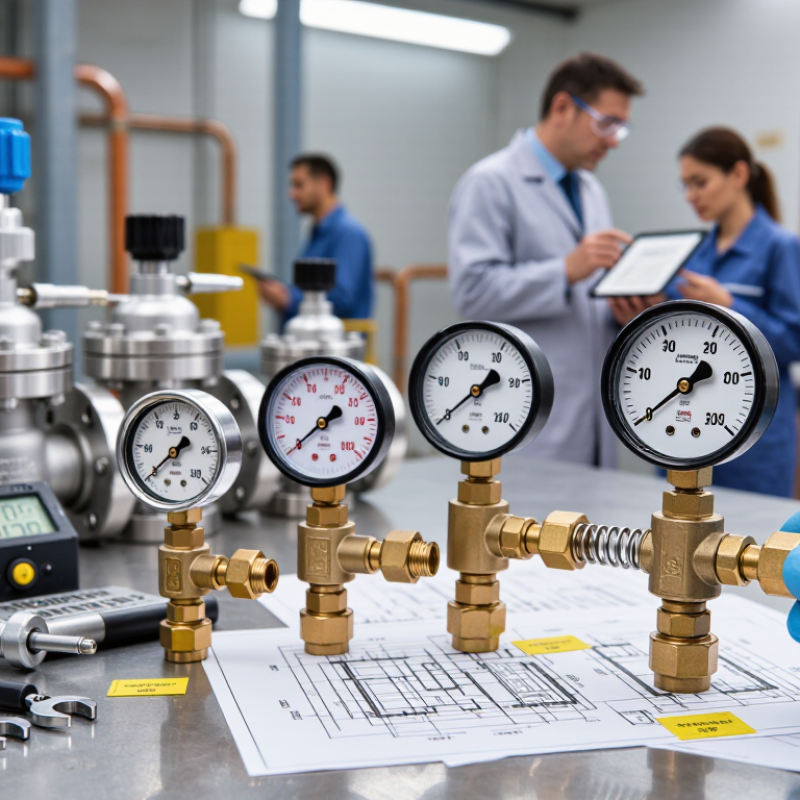
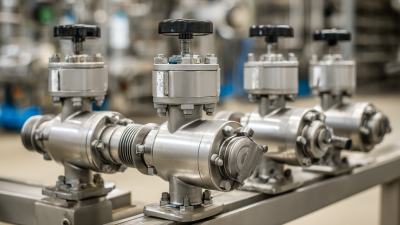
Pressure control valves keep a system within a useful pressure range. Depending on their design, they reduce downstream pressure, maintain upstream pressure, or release excess pressure. A pressure-reducing valve, for example, can lower a high-pressure supply before water reaches a building’s fixtures. A relief valve opens when pressure rises beyond its set point. Small changes matter.
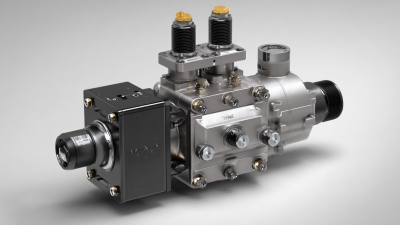
These valves are used in water networks, compressed-air lines, hydraulic equipment, and steam systems. On a factory floor, a hydraulic valve may help keep a press stable as its load changes. In a boiler circuit, a relief valve provides a controlled escape path during an abnormal pressure rise. The exact role depends on the system, not just the valve’s name.
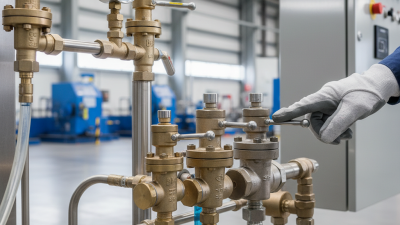
Selection requires more than matching pipe size. Engineers consider operating pressure, flow rate, fluid temperature, and how quickly pressure may change. Installation also matters: a blocked sensing line or poor placement can affect performance. A valve that works well under steady conditions may respond poorly to sudden surges. That detail is easy to overlook. Regular inspection can reveal leaks, wear, or a set point that no longer matches the equipment’s needs.

China’s pressure control valve industry is best understood as a layered supply network, not one uniform manufacturing block. At its core are valve makers that design and assemble pressure-reducing, regulating, and relief products for different operating conditions. Some concentrate on standard sizes; others build around specified materials, pressure ranges, or connection types. Small differences matter.
Around these firms sit casting and machining shops, seal suppliers, actuator producers, and testing laboratories. This division lets manufacturers source specialized parts while keeping final assembly and inspection close to engineering teams. A buyer may see a finished valve, but its consistency depends on material traceability, machining tolerances, and repeatable calibration. That chain can vary.
Quality evidence should include documented pressure tests, material records, and clear operating limits, rather than a polished catalogue alone. Good advice, though not always convenient.
The market also includes export-oriented factories, regional distributors, and application specialists who translate process requirements into valve specifications. Their roles overlap, and a supplier’s advertised range does not prove equal capability across every size or service.
Ask who controls design changes, where testing occurs, and how spare parts are identified. One detail is easy to miss: the lowest quote may exclude calibration records or application support.
I would not assume every supplier follows the same workflow; the industry is diverse, and public information can be uneven.
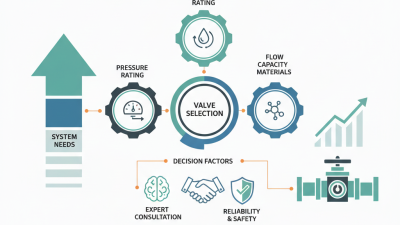
When comparing Chinese pressure control valve manufacturers, start with the actual service conditions: medium, pressure range, temperature, and required flow. Ask suppliers to explain how their valve design handles those conditions. A useful answer should connect material choices and control accuracy to your operating data. Look for engineers who ask specific questions, not just sales staff repeating catalogue figures. Details matter.
Review materials, machining controls, assembly procedures, and final inspection records. Request sample test documentation, including pressure-test results and calibration data where relevant. Records should identify the tested model and inspection date. Certificates alone are not enough; confirm what was tested, by whom, and against which stated requirements. Where possible, compare drawings with a sample unit or arrange an independent factory audit.
Production capacity matters, but so does consistency between batches. Ask how the manufacturer handles a rejected component, a design change, or a delayed shipment. Clear answers reveal more than polished presentations. After-sales support should include access to technical staff and practical troubleshooting guidance. A factory visit can help, though one visit cannot prove every process is stable. I have found that small gaps in documentation often deserve a second question. No supplier is perfect; the important point is whether issues are acknowledged and addressed with evidence.
| Evaluation Factor | What to Check | Useful Evidence or Benchmark |
|---|---|---|
| Application and design basis | Confirm the intended service, operating and design pressures, temperature range, fluid properties, flow direction, and required control behavior. | A documented datasheet and operating envelope. Confirm that the selected valve type and trim are suitable for the stated service. |
| Pressure and temperature ratings | Check the pressure class and allowable pressure at the specified temperature for the exact body material and design. | Compare the proposed design with the applicable pressure-temperature tables in ASME B16.34, where relevant. Do not treat a class designation as the allowable pressure at every temperature. |
| Flow capacity and sizing | Review the sizing calculation, required capacity, operating range, pressure recovery, and potential for cavitation, flashing, or excessive noise. | Request calculation inputs and results using applicable control-valve sizing methods, such as IEC 60534-2-1. Confirm the selected Cv or Kv against the project duty rather than relying on a catalogue maximum. |
| Materials and fluid compatibility | Verify body, trim, stem, seat, and seal materials against corrosion, erosion, temperature, and process-fluid requirements. | Review material specifications and traceable material test records. For applicable oil and gas sour service, assess compliance with ISO 15156 / NACE MR0175 requirements. |
| Leakage and shutoff performance | Define the required seat-leakage performance and confirm the test medium, pressure, duration, and acceptance criteria. | Specify the required leakage class and test procedure in the purchase documents. IEC 60534-4 includes inspection and routine testing provisions for industrial-process control valves. |
| Applicable codes and certifications | Check that the proposed standards match the valve type, service, destination market, and project specification. | For example, ASME B16.34 may apply to valve design and pressure-temperature ratings; API 6A may be relevant to applicable wellhead and tree equipment. Verify certificate validity, scope, and product applicability rather than assuming one standard covers every pressure-control valve. |
| Actuator and control compatibility | Assess actuator sizing, available power or instrument supply, control signal, response requirements, accessories, and required failure position. | Request actuator sizing calculations and an instrument and accessory list. Confirm that fail-open, fail-closed, or fail-in-place behavior matches the documented safety and process requirements. |
| Manufacturing quality and traceability | Review documented inspection controls, material identification, production records, nonconformance handling, and final release checks. | Request a quality-system certificate with a relevant scope, inspection and test plans, material certificates, and serial-number-linked manufacturing records. Certification alone does not establish product suitability. |
| Testing and inspection records | Confirm which shell, seat, functional, and accessory tests are required and whether customer or third-party witnessing is needed. | Agree test methods and acceptance criteria before production. ISO 5208 is a pressure-testing standard for industrial valves where applicable; confirm the specified edition and test requirements in the contract. |
| Documentation and delivery scope | Check drawing approval, bill of materials, operating and maintenance manuals, spare-parts list, certificates, and delivery milestones. | Use a project-specific document register and agreed inspection points. Confirm that the final data book includes records required by the purchase specification. |
| Service, maintenance, and lifecycle support | Evaluate access to replacement parts, repair instructions, technical support, warranty terms, and expected maintenance needs. | Request written warranty and support terms, recommended spare parts, and maintenance guidance for the proposed valve configuration. |
Evaluation note: Standards and acceptance criteria depend on valve type, service conditions, destination market, and contract requirements. Confirm the applicable edition and scope for each project.
China Top Pressure Control Valve Manufacturers
Profiles of leading pressure control valve manufacturers in China are best judged by engineering depth, not catalogue size. Some specialize in compact regulators for water and air systems; others produce heavy-duty valves for process lines with changing inlet pressure. A credible supplier should explain its pressure range, body material, seal options, and test procedure in clear terms. Ask how each valve is calibrated. Small details matter.
Manufacturer profiles also reveal differences in production and support. Look for documented inspection steps, traceable material records, and practical guidance on sizing. For example, a supplier should ask about medium, temperature, flow rate, and pressure fluctuations before recommending a model. Factory testing is useful, but it does not replace checking performance under your operating conditions. A polished catalogue can still leave real questions unanswered. That is worth noting.
Tips: Send a complete operating datasheet when requesting a quotation. Confirm connection dimensions, set pressure, and maintenance access. Ask for test documentation and clarify what happens if the valve does not meet the agreed specification. Short answers are not always bad, but vague ones deserve follow-up.
PN values are nominal pressure designations commonly used in valve and piping selection. They do not represent a universal allowable operating pressure; actual limits depend on the valve’s materials, temperature, design, and applicable standards.
Choose a manufacturer by matching its engineering capability to your operating conditions, not by price alone. Provide minimum, normal, and peak flow rates, inlet and outlet pressures, fluid temperature, and medium composition. Ask for sizing calculations using recognized control-valve methods, such as IEC 60534-2-1. Request the proposed valve’s flow coefficient, allowable pressure drop, materials, and actuator fail position. Small details matter. A valve sized only for average flow may hunt or operate noisily when demand changes.
Review manufacturing and quality evidence: material traceability, pressure-test records, inspection procedures, and calibration certificates. Ask how the supplier handles custom trim, spare parts, and technical support after installation. DOE’s 2022 Industrial Decarbonization Roadmap places industry at roughly one-third of U.S. energy use, so efficient process control can matter beyond the valve itself. Still, a strong document package cannot replace application-specific verification. Site conditions are often messier than the datasheet suggests.