How to Choose the Right Auto Parts Hydraulic Valve?
Choosing the right Auto Parts Hydraulic Valve is not a matter of matching thread size alone. It affects pressure control, steering response, braking consistency, noise, heat, and service life. A small sealing error can leave oil marks around a valve body and create unstable system behavior.
Industry data supports careful selection. The MarketsandMarkets Hydraulic Valves Market report identifies mobile equipment, automotive systems, and industrial automation as major demand areas. Its analysis also highlights proportional control, compact design, and improved efficiency as continuing development priorities. The 2024 Deloitte Global Automotive Supplier Study reports growing pressure on suppliers to reduce costs while improving reliability and electronic integration. These trends make valve specification more demanding, not simpler.
Hydraulics educator Steve Skinner states, “A valve is only as good as the system around it.” This principle deserves attention. Flow rate, operating pressure, fluid temperature, actuator load, response speed, and contamination levels must be checked together. A valve that performs well on a clean test bench may fail in a dusty workshop or during winter startup. Material compatibility matters too. So do service access and replacement availability.
This guide examines those practical details. It compares control types, pressure ratings, port standards, seal materials, sensor options, and failure symptoms. It also considers manufacturer documentation and traceability, rather than relying on attractive catalog claims. A perfect choice does not exist. The best choice is the one that fits the vehicle, duty cycle, maintenance plan, and real operating conditions. Mistakes happen, especially when specifications are incomplete. That is why careful measurement remains more reliable than guesswork.
Identify the Hydraulic Valve’s Function and Vehicle Compatibility
How to Choose the Right Auto Parts Hydraulic Valve?
Identify the Hydraulic Valve’s Function and Vehicle Compatibility
A hydraulic valve directs fluid, controls pressure, or manages movement within a vehicle system. Its exact function matters more than its appearance. A valve may support braking, steering, suspension, transmission control, or automatic leveling. Ask what the valve operates before comparing prices or shapes.
I once saw two valves with identical housings but different pressure ratings. They were not interchangeable. Check the service manual, vehicle identification number, model year, and engine configuration. Then compare the valve’s part reference, port layout, thread size, mounting holes, and electrical connections. Small differences can cause leaks or delayed system response.
Compatibility also depends on fluid type and operating pressure. A valve designed for one hydraulic fluid may deteriorate when exposed to another. Confirm the manufacturer’s technical specifications and installation requirements. Inspect the old part for blocked ports, damaged seals, or unusual wear. The valve may not be the original cause of failure. Contaminated fluid could be the real problem.
Test carefully.
After installation, bleed the system when required and check every connection under safe conditions. Monitor pressure, movement, noise, and warning indicators. A vehicle may appear to operate normally while the valve responds too slowly. I have learned that visual matching is useful, but never reliable enough on its own. Availability can also tempt a rushed choice, and that is where careful verification is often missed.
Compare Installation Methods, Dimensions, and Connector Specifications
How to Choose the Right Auto Parts Hydraulic Valve?
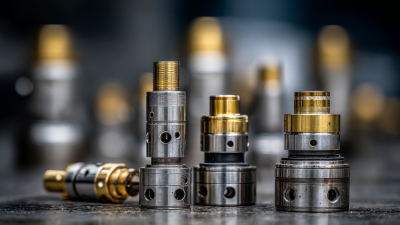
Choosing an automotive hydraulic valve starts with its installation method. Inline valves connect directly within a hose or pipe. Manifold-mounted valves attach to a prepared block with fixed ports. Cartridge valves fit inside a dedicated valve body. I have seen incorrect replacements fail because installers matched the shape, not the mounting system. Check port direction, mounting-hole spacing, thread type, and required clearance before ordering.
Dimensions must match the vehicle’s available space and hydraulic circuit. Measure the valve body, port diameter, hole centers, and overall height with a caliper. Confirm flow direction and pressure ratings from reliable technical documents. A small size difference can create leaks or prevent proper sealing. Connector specifications also need careful inspection. Count the pins, compare terminal positions, and check the locking style. Verify voltage, sealing protection, wire compatibility, and connector orientation. Photos help, but they can mislead. I once trusted a similar-looking connector and missed one reversed terminal.
Tips: Record every measurement.
Clean the mounting surface before fitting. Use the specified seal type and torque value. Do not force a connector into place. If the original valve shows unusual wear, inspect contamination or pressure problems too. Replacing the valve alone may not correct the cause. Double-check the circuit diagram, even when the component seems obvious.
Verify Quality Standards, Maintenance Needs, and Supplier Support
When choosing an auto parts hydraulic valve, verify quality standards before comparing prices. Ask for pressure-test records, material certificates, and production traceability. A reliable supplier should explain which quality system controls inspection and calibration. Check whether each valve matches the vehicle’s pressure range, fluid type, and operating temperature.
Maintenance needs deserve equal attention. Inspect sealing surfaces, mounting threads, and protective caps before installation. Small scratches can create leaks under repeated pressure cycles. Confirm that replacement seals and service instructions remain available. Ask about cleaning requirements, inspection intervals, and storage conditions. A clear maintenance guide reduces guesswork during routine servicing. Keep records of installation dates and operating symptoms.
Supplier support becomes important when problems appear after installation. Request technical drawings, response times, and a defined process for handling defects. Good support includes practical troubleshooting, not vague promises. In workshop inspections, I have seen valves rejected because dimensions looked correct but flow direction differed. That mistake was avoidable. I also learned that test documents may be incomplete, even when the component appears well made. Recheck every critical detail. A supplier willing to discuss limitations, tolerances, and occasional production errors is easier to trust. Test the valve under controlled conditions before returning the vehicle to regular service.