Leave Your Message

Top Unidirectional Throttle Valves for Global Buyers?

Global buyers often treat Unidirectional Throttle Valves as small components. That assumption can create expensive problems. These valves regulate flow in one direction while allowing freer movement in the opposite direction. They appear in pneumatic cylinders, automation equipment, lifting systems, and compact hydraulic assemblies. A valve may look simple on a test bench. Its behavior can change under heat, contamination, vibration, or unstable pressure.

Herbert E. Merritt, a respected authority on hydraulic control systems, emphasized a practical truth: “Flow control is a system decision, not merely a valve choice.” This principle remains highly relevant. Buyers should examine the complete circuit, not only the catalog photograph. Port size, adjustment range, cracking pressure, sealing material, response speed, and installation position all matter. A valve that performs smoothly at 5 bar may react poorly at 8 bar. Small details become visible at the cylinder rod.

The best choice also depends on application experience. A machine builder may value repeatable adjustment, while a maintenance team may need easy access and clear markings. Stainless steel bodies can suit harsh environments, but they may increase cost. Compact models save space, though cramped adjustment can frustrate technicians. That trade-off is easy to overlook.

This guide compares leading Unidirectional Throttle Valves for international buyers. It considers technical performance, documentation quality, supplier reliability, and practical service support. No ranking is perfect. Material availability, regional standards, and after-sales response can change the final decision. Buyers should verify specifications directly before ordering. Small checks prevent large surprises.
Top Unidirectional Throttle Valves for Global Buyers?

What Are Unidirectional Throttle Valves?

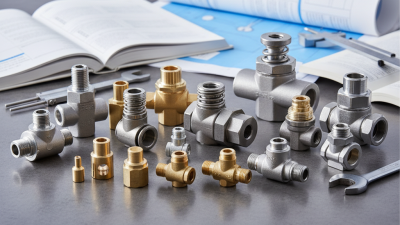
A unidirectional throttle valve controls fluid speed in one direction while allowing freer movement in the opposite direction. It combines a check valve with an adjustable needle or orifice. In a pneumatic cylinder, air may exhaust through the restriction, slowing rod movement. Reverse flow can pass through the check path with less resistance. This simple difference creates controlled motion without stopping the circuit completely. The valve body usually includes an arrow showing permitted flow, but installers should verify it against the system drawing.

Field service experience shows that adjustment can be sensitive. A small turn may change cylinder timing, especially with low-pressure air. Buyers should check port size, pressure range, medium compatibility, temperature, and required flow direction. Thread quality also matters during repeated maintenance. Operators sometimes blame the cylinder when the valve was installed backward. That mistake is common, but not harmless. A reliable supplier should provide test data, dimensional drawings, material details, and clear adjustment guidance.

Tips: Mark the flow arrow before installation. Start with a wide opening, then adjust gradually. Test under the real load, not only on a workbench. Lock the setting after tuning. Recheck speed after temperature changes, because air behavior can shift. Do not assume identical valves perform identically. Seal tolerances may change response.
How Unidirectional Throttle Valves Work

Top Unidirectional Throttle Valves for Global Buyers?

How Unidirectional Throttle Valves Work

A unidirectional throttle valve controls flow in one direction and permits freer flow in the opposite direction. Inside, a needle, orifice, and check valve work together. When fluid follows the free-flow arrow, the check valve opens with little resistance. Reverse flow closes the check valve, forcing fluid through the adjustable throttle opening. This creates controlled movement in pneumatic cylinders, hydraulic actuators, and automated machinery.

Flow control is not simply about turning a screw. Pressure, fluid viscosity, temperature, and actuator load all affect the result. Meter-in control restricts fluid entering an actuator, while meter-out control regulates exhausting fluid. Meter-out is often more stable for overrunning loads, but the best choice depends on the system. A practical inspection should confirm the flow arrow, thread compatibility, sealing method, and pressure rating. Small errors can cause hesitation, vibration, or uncontrolled motion.

Key Types and Performance Differences

Top Unidirectional Throttle Valves for Global Buyers?

Key Types and Performance Differences

Unidirectional throttle valves control flow in one direction and permit freer return flow. Their internal check mechanism creates this difference. The most common type combines an adjustable needle with a check valve. It suits cylinders requiring controlled extension and faster retraction. Operators can adjust the needle gradually, often using a small screwdriver or hand knob.

Fixed-orifice versions provide simpler, repeatable restriction. They work well when flow conditions remain stable. However, they offer little flexibility after installation. Pressure-compensated designs maintain a more consistent flow when inlet pressure changes. They are useful in machines with fluctuating loads, although their internal structure can cost more and demand cleaner fluid.

Performance depends on more than nominal port size. Compare adjustable flow range, cracking pressure, pressure drop, response time, and leakage. A valve with a low cracking pressure may improve actuator movement. A narrow adjustment range can make commissioning frustrating. I have seen systems respond smoothly on a test bench but behave poorly after hoses warmed up. Temperature matters. Fluid viscosity matters too.

No valve is perfect.

Buyers should check rated pressure, media compatibility, installation direction, and contamination tolerance. A mesh filter may protect sensitive needle passages, but excessive filtration can restrict supply flow. Test the valve under the machine’s real load, temperature, and hose length. Catalog figures are useful, but field conditions often expose the important differences.

How to Choose Valves for Global Applications

Top Unidirectional Throttle Valves for Global Buyers?

Choosing a unidirectional throttle valve starts with the application, not the catalog photo. Define the medium, pressure, temperature, flow direction, and required response time. A valve for a clean pneumatic cylinder may fail in dusty mining equipment. Check port size, sealing material, corrosion resistance, and installation orientation. ISO 4414 emphasizes safe design and controlled pneumatic energy, making documented specifications essential for international projects.

Efficiency also deserves attention. The U.S. Department of Energy reports that compressed-air leaks can waste 20–30% of compressor output. Poor throttling can add another hidden cost through unstable actuator movement. Select a valve with repeatable adjustment and low pressure loss. Test it at the actual operating pressure, not only at laboratory conditions. Small details matter.

Global sourcing requires evidence. Request material certificates, pressure-test records, flow curves, and traceable quality documentation. Confirm thread standards and connection compatibility before shipment. Regional climate matters too. Humid coastal sites need stronger corrosion protection, while cold regions may require low-temperature seals. International standards help, but they do not replace field judgment. I would not trust a valve chosen only by nominal diameter. That shortcut is common, and often expensive. According to the International Energy Agency, industry remains one of the largest final-energy users worldwide, so efficient fluid control deserves practical scrutiny.

Top Unidirectional Throttle Valves for Global Buyers? - How to Choose Valves for Global Applications

Valve Type Typical Applications Flow-Control Principle Typical Port Sizes Typical Operating Pressure Typical Temperature Range Common Media Compatibility Global Selection Considerations
Needle Flow-Control Valve with Check Function Pneumatic cylinders, actuator speed control, laboratory equipment, compact automation systems Adjustable needle orifice regulates flow in one direction; an internal check path permits freer flow in the opposite direction Typically 1/8 to 1/2 in. port threads Commonly up to 10 bar (145 psi), depending on construction Approximately -20°C to +80°C for standard polymer-seal versions Clean, dry compressed air; selected inert gases where approved Confirm thread standard, tubing size, installation orientation, and whether the free-flow direction matches the actuator circuit
Inline One-Way Throttle Valve Compact pneumatic panels, air preparation assemblies, small cylinders and grippers Throttle adjustment is combined with a non-return valve in a straight-through body Typically 4 to 12 mm tube connections or 1/8 to 1/4 in. threads Commonly 0 to 10 bar (0 to 145 psi) Approximately -5°C to +60°C in many standard pneumatic installations Filtered compressed air; compatibility depends on seal and body materials Useful where space is limited; check adjustment accessibility and the required flow coefficient before ordering
Banjo or Elbow Throttle-Check Valve Direct mounting on cylinder ports, robotic tooling, machine-building applications Adjustable metering with a check-valve bypass, integrated into an angled fitting Typically 4 to 12 mm tubing; threaded cylinder connection commonly 1/8 to 1/2 in. Commonly up to 10 bar (145 psi) Approximately -20°C to +80°C, subject to seal material Clean compressed air and approved inert gases Reduces tubing and fitting count; verify elbow orientation, wrench clearance, and cylinder-port thread compatibility
Panel-Mount Unidirectional Flow Controller Operator-adjusted motion control, control cabinets, test benches and multi-axis machinery Metering needle and check valve provide repeatable one-way speed adjustment through a panel-mounted body Typically 1/8 to 1/2 in. ports; panel mounting requires a specified cutout Commonly up to 10 bar (145 psi) Approximately -10°C to +60°C for standard industrial models Dry compressed air; special versions may support other non-corrosive gases Consider panel thickness, front-access adjustment, locknut requirements, and local machine-safety practices
High-Flow Throttle-Check Valve Large-bore pneumatic cylinders, presses, material-handling equipment and rapid actuators High-capacity adjustable restriction with a low-resistance check path in the reverse direction Typically 1/2 to 1 in. ports, with larger sizes available for specialized systems Commonly up to 10 bar (145 psi); some metal-bodied designs are rated higher Approximately -20°C to +80°C for common industrial designs Filtered compressed air; material-specific compatibility is required for other gases Compare effective flow area, pressure drop, exhaust noise, and actuator volume rather than port size alone
Stainless-Steel Throttle-Check Valve Food-processing equipment, washdown zones, chemical handling and corrosive environments One-way adjustable flow restriction with corrosion-resistant body and seal options Typically 1/8 to 1/2 in. ports; metric and international thread versions are available Commonly up to 10 bar (145 psi), depending on seals and connection type Approximately -20°C to +150°C with suitable metal and high-temperature seal materials Clean air, selected gases, and some liquid services only when specifically rated Check corrosion resistance, hygienic requirements, surface finish, seal compatibility, and cleaning-agent exposure
Brass or Nickel-Plated Throttle-Check Valve General industrial pneumatics, packaging machines, workshops and utility systems Adjustable needle metering in one direction with check-valve free flow in the other Typically 1/8 to 1/2 in. ports; push-in fittings commonly accept 4 to 12 mm tubing Commonly up to 10 bar (145 psi) Approximately -20°C to +80°C for standard seal configurations Clean compressed air and non-corrosive gases Often provides a practical balance of cost and durability; verify plating, thread form, and seal compound for the destination market
Hydraulic One-Way Flow-Control Valve Hydraulic cylinders, lifting equipment, mobile machinery and industrial power units Adjustable restriction controls flow in one direction while a check valve allows reverse flow Commonly 1/4 to 1 in. hydraulic ports, with larger sizes for high-flow systems Often rated from 210 to 350 bar (3,045 to 5,075 psi), depending on design Approximately -20°C to +100°C for common hydraulic seal packages Mineral hydraulic oils and approved biodegradable fluids when materials are compatible Verify pressure rating, flow capacity, contamination tolerance, fluid viscosity, connection standard, and machine safety requirements

Buyer note: The ranges above are typical industry values, not universal limits. Always confirm the manufacturer’s technical data sheet, pressure-temperature derating, flow coefficient, seal material, connection standard, and applicable regional regulations before purchase.

Installation, Testing, and Maintenance Requirements

Top Unidirectional Throttle Valves for Global Buyers?

Installation quality determines whether a unidirectional throttle valve performs reliably. Confirm the flow arrow before tightening the fittings. Install the valve close to the actuator, with clean and dry piping. Remove cutting debris, tape fragments, and welding scale. A small particle can hold the poppet open. Use a calibrated torque wrench, but verify the supplier’s torque range. Over-tightening may distort the body or damage the threads.

Testing should follow ISO 5208 pressure-testing principles where applicable. Check forward flow, reverse shutoff, and external leakage separately. Record inlet pressure, outlet pressure, temperature, and test duration. The U.S. Department of Energy reports that compressed-air leaks can waste 20–30% of compressor output. That figure makes leak testing commercially important, not merely procedural. Use calibrated gauges with current verification records. Test at the intended working pressure, never by guesswork. The result may look acceptable while the valve slowly loses pressure.

Maintenance needs a visible routine. Inspect filters, seals, fittings, and adjustment screws during scheduled shutdowns. Keep a simple log with operating cycles and leakage readings. ISO 14224 supports consistent equipment-data collection for reliability analysis. Replace damaged seals instead of repeatedly tightening connections. I have seen this shortcut hide a deeper fault. It saves minutes, then creates unstable actuator movement. Periodically compare current response time with the original commissioning record. Small changes often appear before complete failure.